
Disclosure: As an Amazon Associate, I earn from qualifying purchases.
- Autofocus: Sony is ahead in AI-based tracking sports/wildlife; Canon is more cinematic & smooth focus with its hybrids video-photo.
- Battery: The NP-FZ100 of Sony is longer (650 750 shots) than the LP-E6NH of Canon (500 700 shots).
- Price: Sony is slightly higher priced compared to Canon for the same specifications; Canon offers good bundled deals, especially to newcomers.
- Best For:
1. Sony: Sports, Wildlife, action, and low-light photographing.
2. Canon: Portrait and event shooters, hybrid shooters, vloggers, and value-seekers. - Wrap Up: These two are great, so select one depending on how you shoot and your budget.
Introduction
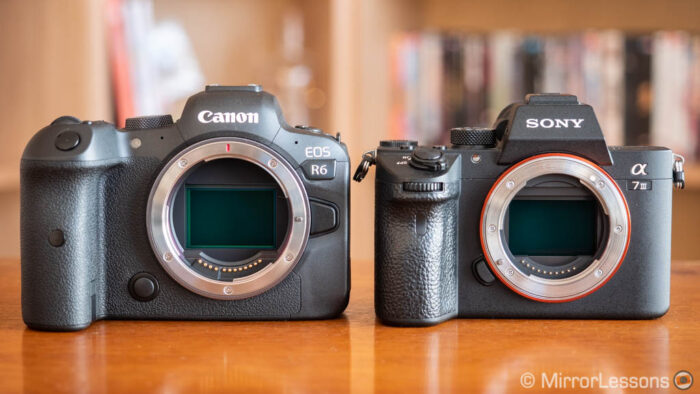
It has never been this close in the race between mirrorless cameras in the year 2025. Sony and Canon still play dominant roles in the world market of photography and set the frontiers on autofocus, battery life, and video. Are you a photography hobbyist, a vlogger, a YouTuber, or a content creator? Then the need to choose between the two giants may be troubling.
Here in this guide, we are comparing Sony mirrorless cameras vs Canon mirrorless cameras based on three main areas that buyers are most interested in: autofocus performance, battery life, and price. When you get to the end, you will know which of the brands fits the brand that would suit your style, the price, and the creative requirements.
1. Autofocus Performance: Sony Mirrorless vs Canon
In matching the Canon mirrorless vs Sony mirrorless, autofocus (AF) can also be one of those competitive factors that make or break the system for photographers and videographers. The two brands have perfected their autofocus systems over the years, although they differ a bit in this approach.
Sony Autofocus in 2025
It is almost agreeable that Sony is the trailblazer in the development of the mirrorless autofocus. Their Real-time Eye AF and Real-time Tracking performance have been an industry benchmark, and in 2025, their new AI-powered features will take performance to even greater heights.
- AI Subject Recognition: The latest models, such as the Sony A7R V and A9 III, aim to recognize human beings, animals (including some specific species such as birds and insects), cars, trains, and also airplanes using deep-learning algorithms.
- Speed/Accuracy: This camera is perfect when it comes to photographing sports and wildlife. Its tracking speeds are too quick to be caught in focus, even by a sprint, not to mention a diving bird.
- Low-Light Performance: Sony sensors coupled with the latest AF algorithms keep tracking on point in low light, e.g., evening parties or concerts.
To put it simply, the autofocus system found on Sony is excellent in situations where speed and accuracy are what you want the most.
Canon Autofocus in 2025
Canon still has its Dual Pixel CMOS AF II, which film and hybrid shooters prefer to have clean, natural changes of focus.
- Face and Eye Tracking: Improved algorithms render portrait photography easy to carry out, even in environments where the lighting can be random.
- Animal & Vehicle Tracking: Pet tracking is now more reliable; developments are being made in wildlife and motorsports, which is huge progress since the initial R-series devices.
- Video AF Smoothness: The focus transitions of the Canon AF are less snappy than Sony and are the perfect choice when you want slow focus pulling whilst shooting non-photo video where focus pulls are desirable.
The Canon autofocus is somewhat less attack-oriented than the Sony one, but still more natural as a story and hybrid shoot production device.
Autofocus Verdict
Either select the Sony when you are into high-speed action, sports, or unpredictable wildlife.
Pick Canon when you are interested mostly in smooth, cinematic focus shifts and excellent hybrid video/photo performance.
Sony vs Canon Mirrorless 2025 – Quick Comparison Table
| Feature | Sony Mirrorless | Canon Mirrorless |
| Autofocus | Real-time Eye AF + Real-time Tracking with AI subject detection (humans, animals, birds, and vehicles). Extremely fast & accurate—great for sports & wildlife. | Dual Pixel CMOS AF II with smooth focus transitions. Excellent for hybrid shooters & cinematic video. |
| Low-Light AF | Outstanding—accurate focus even in dim conditions. | Very good—strong performance in portraits & events, slightly slower in extreme low light. |
| Battery Life | 650–750 shots (NP-FZ100). USB-C PD fast charging. | 500–700 shots (LP-E6NH). USB-C charging is available but generally slower. |
| Video Shooting | Excellent—supports 4K 120 fps, 8K (select models), and strong AF tracking in video. | Excellent—supports 4K 120 fps, 8K (select models), and smoother focus for video work. |
| Price Range (UK) | £1,950–£5,000 depending on the model. Slightly higher than Canon for similar specs. | £850–£4,800 depending on the model. Often offers better value bundles with lenses. |
| Best For | Sports, wildlife, action shooters, and travel photographers. | Hybrid shooters, vloggers, event photographers, and beginners seeking value. |
2. Battery Life Comparison
Battery life is important, particularly to travel photographers, event shooters, and filmmakers who shoot in the field.
Sony Battery Performance
The NP-FZ100 battery produced by Sony is still very effective in the market.
- Photo Shooting: 650-750 shots between charges (varies with model and settings).
- Video Recording: 4K 60fps can be about 2-2.5 hours; 8K or high frame rate is more battery hungry.
- Charging: USB-C PD (Power Delivery) charging is supported, so it can be fast-charged in-camera, which is also great when travelling.
Sony users tend to bring a backup to heavy-duty shoots, but many claim not to have changed batteries in a full day of stills.
Canon Battery Life
The LP-E6NH battery used in a wide variety of mirrorless models has good stamina and marginally less stamina than the Sony.
- Photo Shooting: up to 500-700 shots on a charge.
- Video Recording: The 4K modes are fine, but the 8K and the 120 fps slow-motion are a significant drain on battery life.
- Charging: With newer models, USB-C chargers are supported, although generally not as fast as Sony.
The efficiency of Canon is getting better, but the power users might have to use more batteries to cover long events or video recording.
Verdict on Battery Life
- Sony takes the trophy for sheer stamina and portability of charging.
- Canon is near, but heavy video shooters will miss spares or battery grips.
3. Price Analysis in 2025
The major variable in terms of Canon vs Sony mirrorless cameras can be the price.
Sony Pricing UK
Sony is also branded as a premium mirrorless company and tends to be slightly more expensive than an equivalent Canon product.
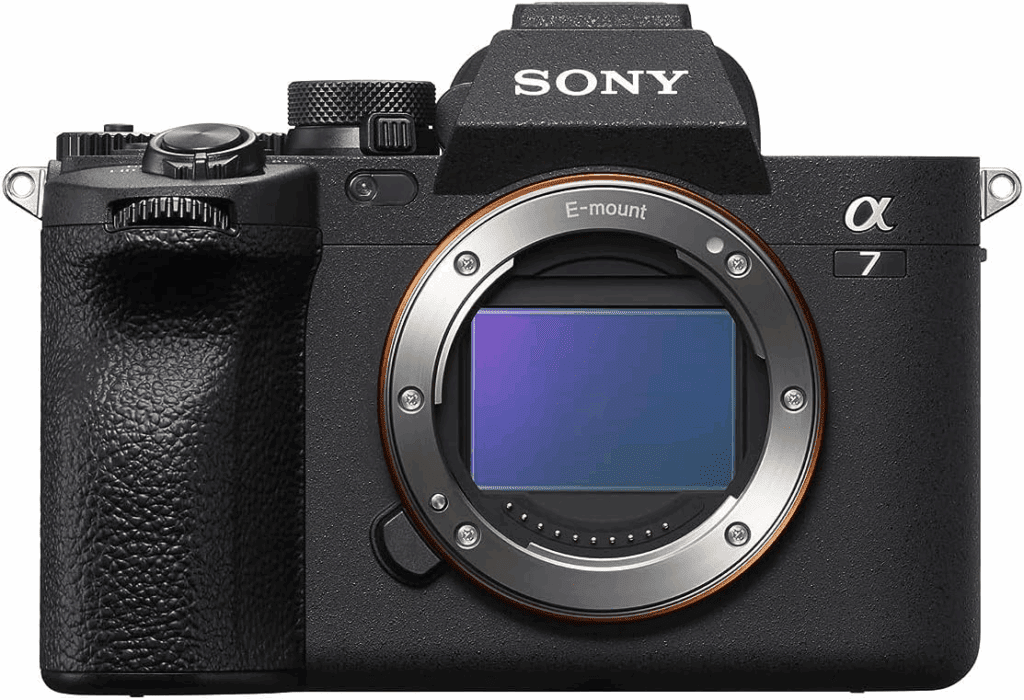
- Sony A7 IV – approx. 2100 pounds (body alone)
Affiliate Link: Sony Alpha 7 IV Full-frame Mirrorless Interchangeable Lens Camera
- Sony A9 III – approx. 5,000 (body only)
Affiliate Link: Sony Alpha 9 III Mirrorless Camera with World’s First Full-Frame 24.6MP Global Shutter System and 120fps Blackout-Free Continuous Shooting

- Sony ZV-E1 – c.1950 (vlogging-centric)

Seemingly at higher prices initially, Sony cameras also tend to have a good resale value, with the technology found within being ahead of the pack at times.
Affiliate Link: Sony ZV-E1 | Full-frame Mirrorless Interchangeable Lens Vlog Camera (Compact and Lightweight, 4K60p, 12.2 Megapixels, 5-Axis and Digital Stabilisation System, Large Battery Capacity) Black
Canon Pricing UK
Canon is value-focused and provides competitive packages and retail more or less than their counterparts at the same performance levels.
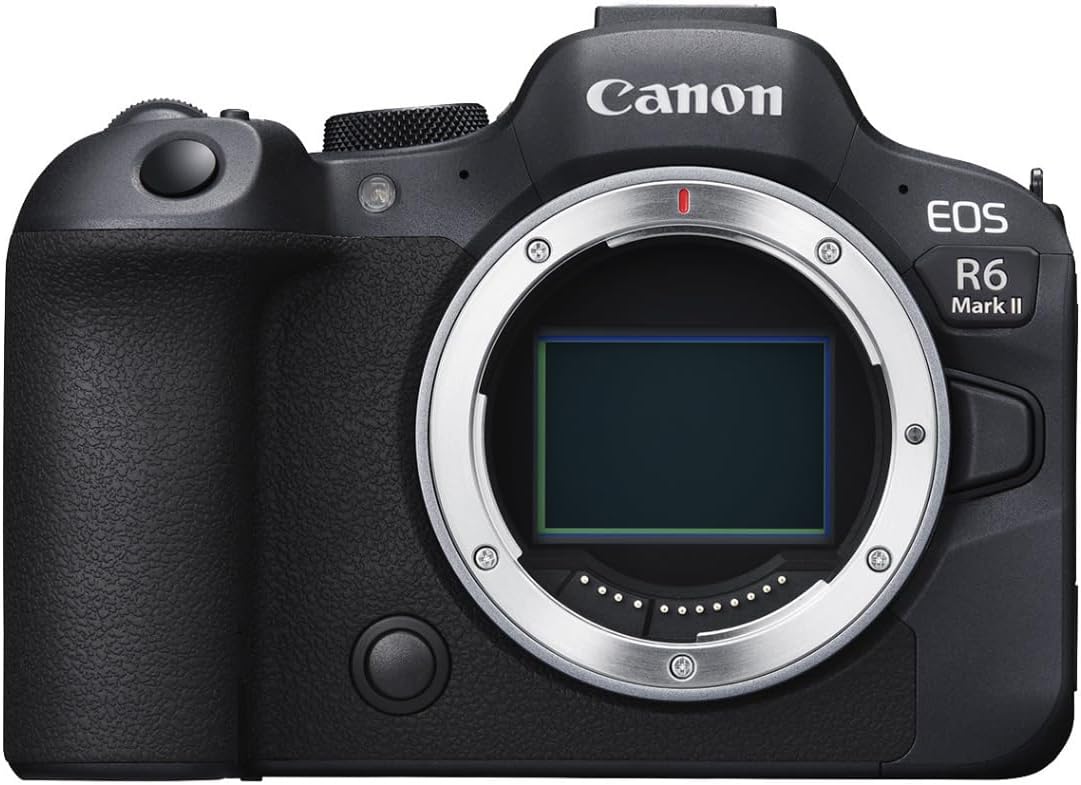
- Canon EOS R6 Mark II – approx. 1950 (body only)
Affiliate Link: Canon EOS R6 Mark II Mirrorless Camera, Full-Frame Camera, 24.2 Megapixel CMOS Sensor, Photo and Video Capabilities, Black
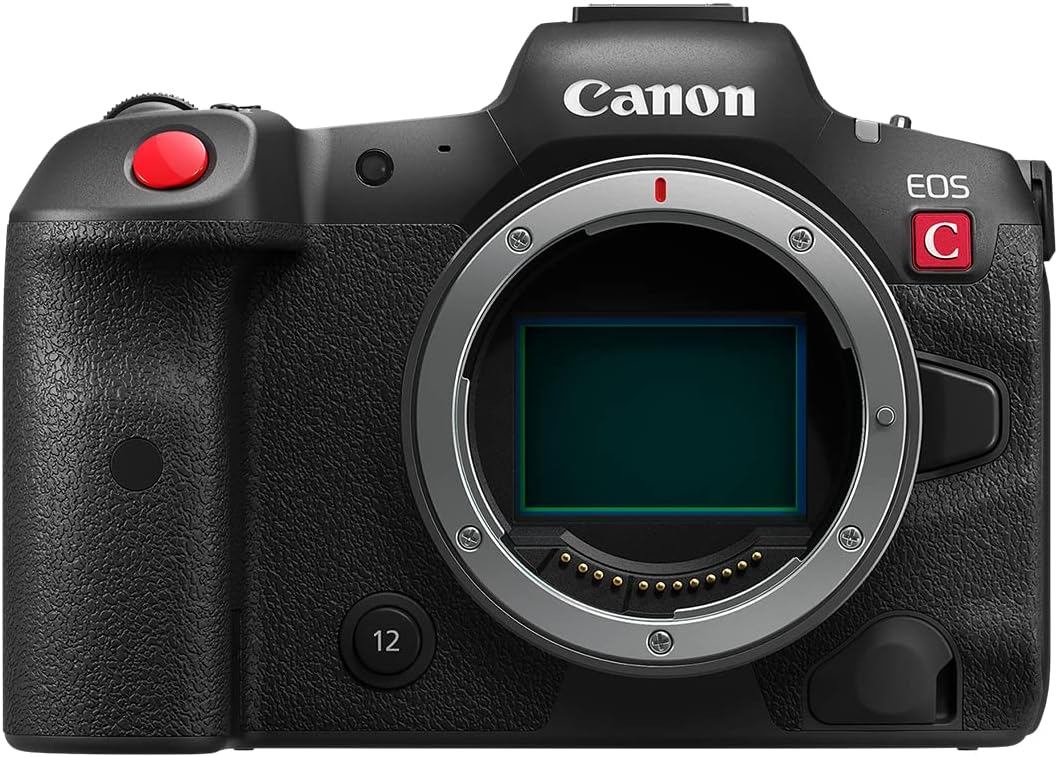
- Canon EOS R5 C – approx. 4800 (body only)
- Canon EOS R50– roughly 850 (starter vlogger choice)
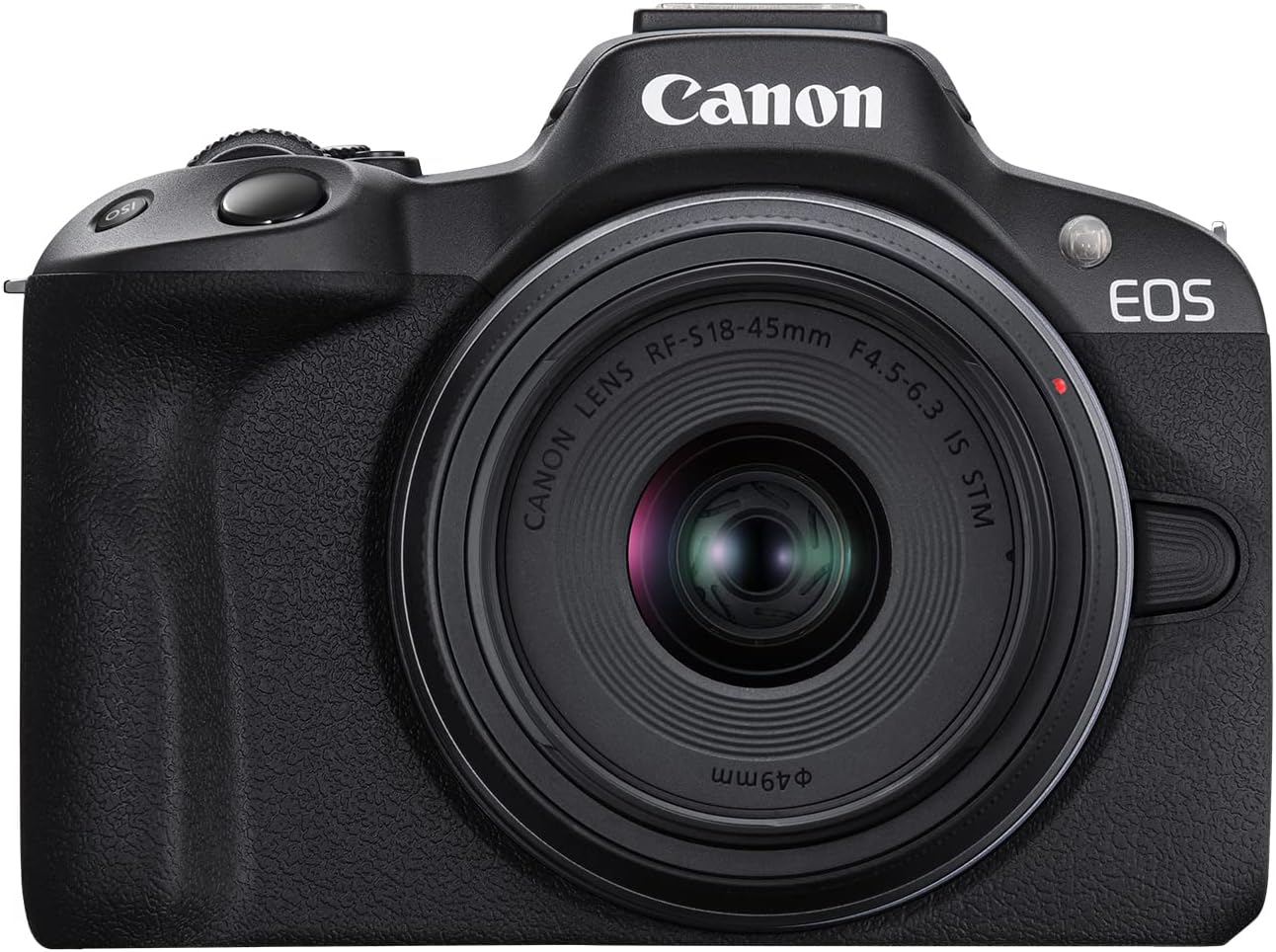
The pricing structure of Canon contributes to it being more of an entry-level option or an upgrade option, where one would get a complete deal.
Affiliate Link: Canon EOS R50 Mirrorless Camera RF-S18-45mm F4.5-6.3 is STM Lens Kit, 24.2 Megapixel CMOS (APS-C) Sensor, 4K Video, Hybrid Camera, Photo and Video, Vlogging, Content Creator, RF Mount, Black
Price Verdict
- Sony: High cost of the latest autofocus and technology.
- Canon: More competitive packs and hence suitable in terms of those who need value for their money.
4. Concluding remarks: so which one to choose in 2025?
Sony, as well as Canon, designs excellent mirrorless lenses in 2025, and the answer is all relative to what you need:
- Choose Sony when you also care about the snap-fast autofocus, the best low-light performance, and an extended battery life.
- Buy Canon when you wish to have cinematic focus, a good price-to-value ratio, and excellent ergonomics.
Wherever you have a choice, try them both in-store, and see which one fits better in your hand—it is sometimes a trade-off between how the grip and menu feel.