
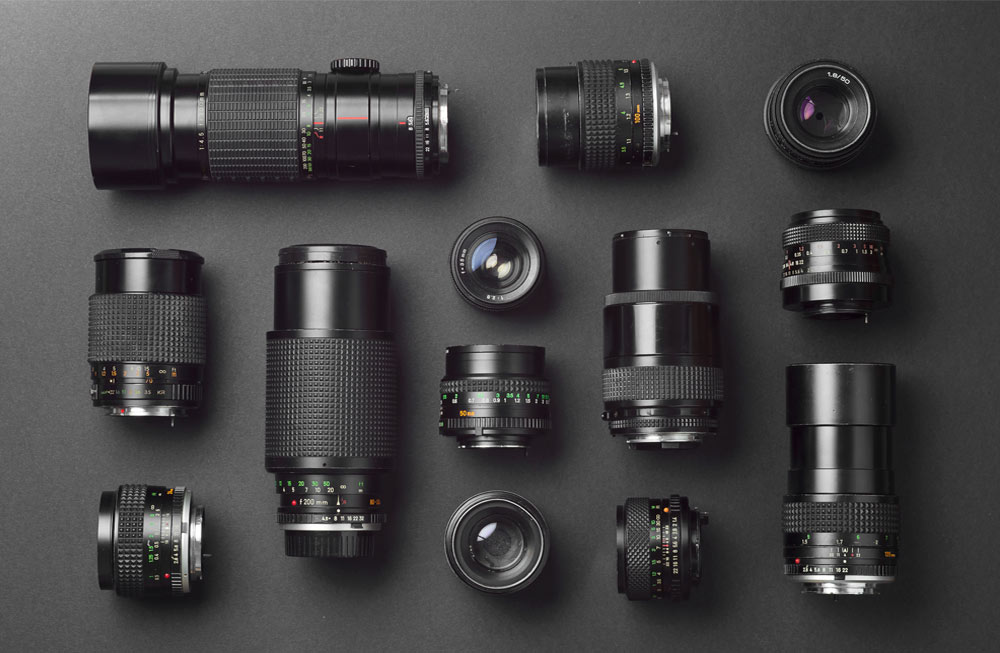
Lenses make a very crucial part of the camera equipment, and there are so many lenses that one may end up finding herself lost in search of getting to know what each of the available range of lenses does and which type to use. A good camera lens will transform your photography and videography, whether you work as a hobby photographer, vlogger, or entry-level consumer or a content creator. Lenses influence such factors as the sharpness of the images and background blur, so it is necessary to know how to select the right lenses.
In this guide, we are going to deconstruct the process of selecting a lens and detail the various types, as well as suggest the best-rated products available in the UK to suit everyone and every budget.
Why Your Camera Lens is Important
What you see depends upon your lens:
- Image quality: Anything in a camera body is no good without the images being good, and that depends on the lens.
- Depth of field: How much of that picture that you took is in focus?
- Low-light capabilities: The bigger the aperture, the more light received in the lens and the less noise that is generated.
- Creative prospects: Creative variations can be attained through various focal distances and apertures.
Beginner Tip: Buy a high-quality camera body, but do not scrimp on the quality of lenses; they are where to invest your money in the long run.
Step 1: Get the Knowledge of Key Lens Terminology
The terminology that photographers and lens makers employ must be learned before you can buy a lens.
1. Focal Length
Focal length refers to the level of magnification (or zoom) the lens provides (in mm).
- Wide-angle (10-35mm)—Well-suited to landscapes, architecture, and vlogging.
- Standard (35-70mm) – Most likely a view of the human eye; can be used/advised on the street, in general.
- Telephoto (70–300 mm+)—It would be best to use it with sporting activities, far-away objects, and wild animals.
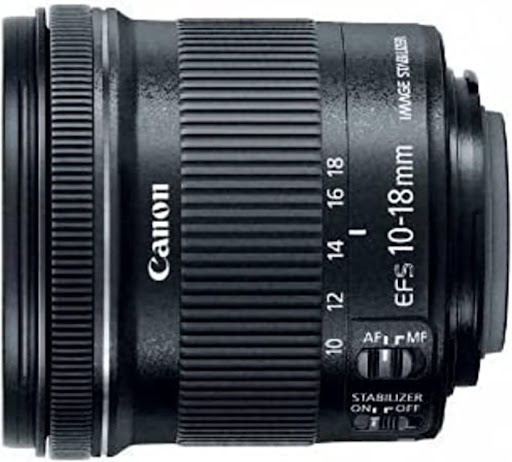
Best Option: Panoramic lens
Canon EF-S 10-18mm f4.5-5.6 STM lens is cheap and lightweight, and good to take on the go or for vlogging projects.
Affiliate Link: The Canon RF 85mm f/2 Macro IS STM
2. Aperture
The aperture, as noted (f/2.8, f/4, etc.), determines how much light your lens can receive.
- Wide Aperture (f/1.2, f/2.8)— Nice in dark situations as well; decent background blur (bokeh), too.
- Small aperture (f/8-f/16). A small aperture allows you to incorporate more of your scene to be in focus.
Recommendation: Low Light Portrait Lens
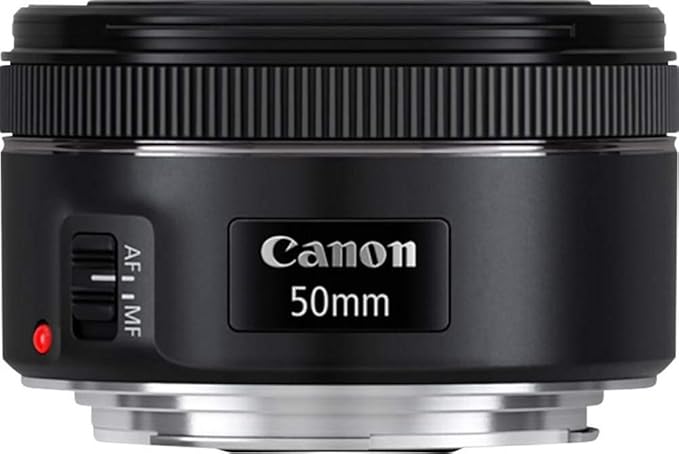
Canon EF 50mm f/1.8 STM Lens – It is amazingly cheap, fast, and sharp and is the so-called nifty fifty.
Affiliate Link: Canon EF 50mm f/1.8 STM Lens
3. Prime vs Zoom Lenses
- The prime lenses are the fixed focal length lenses (e.g., 50mm). They are lighter, are more likely to slip, and have wider apertures as well.
- Zoom lenses offer a range of focal lengths (e.g., 24-70mm) and offer versatility.
4. Image Stabilisation (IS/VR/OSS)
Image stabilisation can take care of camera shake blur, which is especially useful to vloggers and YouTubers shooting handheld or video.
5. This compatibility with lens mounts
Lenses do not fit all cameras. For example:
- Canon EF and EF-S Canon DSLR cameras.
- RF – Canon mirrorless.
- Nikon F (& Z)—Nikon DSLR and mirrorless.
Always do compatibility checks before buying.
Step 2: Find the Right Lenses for Your Photography Style
The type of camera lens that you get depends on what you shoot most of the time.
Quick Lens Recommendation Table
| Photography Style | Recommended Lens | Price Range |
| Portrait | Canon RF 85mm f/2 Macro IS STM | £600–£700 |
| Landscape | Canon EF-S 10-18mm f/4.5-5.6 IS STM | £250–£300 |
| Wildlife/Sports | Tamron 150-600mm f/5-6.3 G2 | £1,000–£1,200 |
| Vlogging/YouTube | Canon RF 16mm f/2.8 STM | £300–£350 |
| Macro | Canon EF 100mm f/2.8L Macro IS USM | £800–£900 |
Portrait Photography
Seek lenses that have:
- Focal length of 50-85mm
- Large aperture (f/1.4 to f/2.8)
Top Pick in the UK:
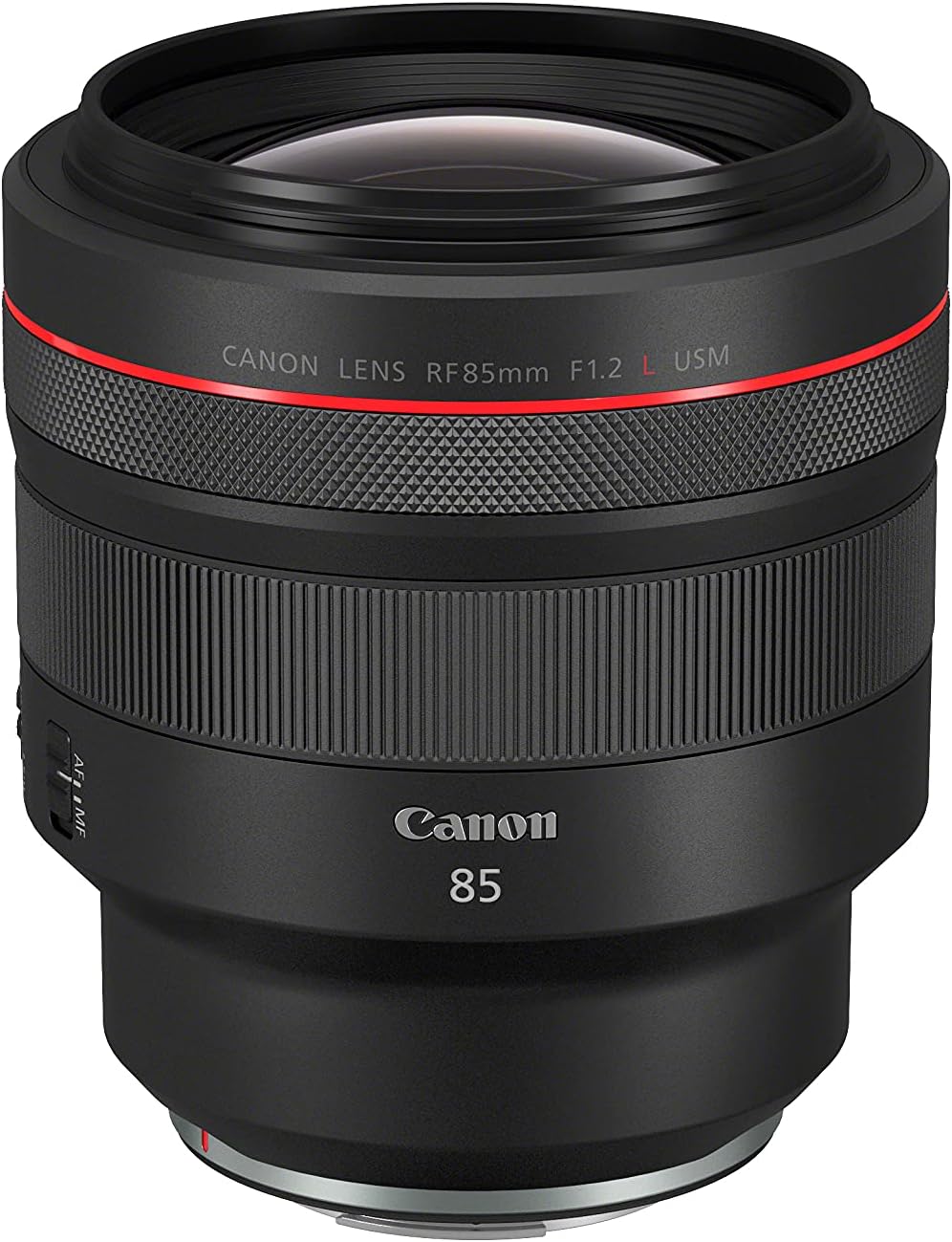
The Canon RF 85mm f/2 Macro IS STM—used for excellent effect in photographs and close-ups.
Affiliate Link: The Canon RF 85mm
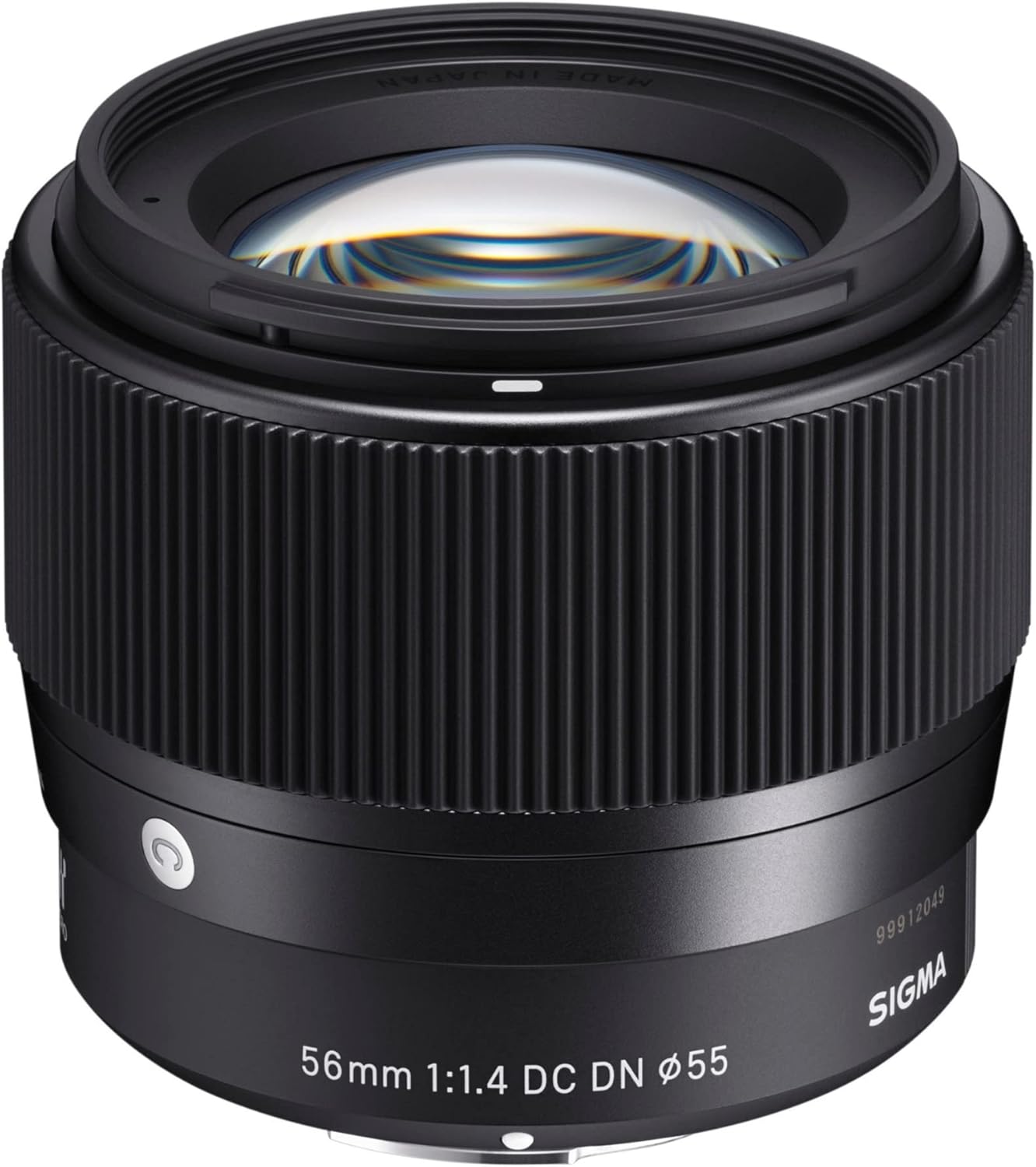
The Sigma 56mm f/1.4 DC DN—gently priced, sharp, and made with mirrorless in mind.
Affiliate Link: The Sigma 56mm f/1.4 DC DN
Landscape Photography
Look for:
- Focal length (1024mm)
- Travel-friendly Lightweight design
Top Picks in the UK:
Tokina AT-X 11-16mm f/2.8—Awesome low-light landscape.

Wildlife and Sports photography
Look for:
- Telephoto 100-400mm + focal length
- Fast autofocus
Affiliate Link: Tokina AT-X 11-16mm f/2.8
UK Favourites:
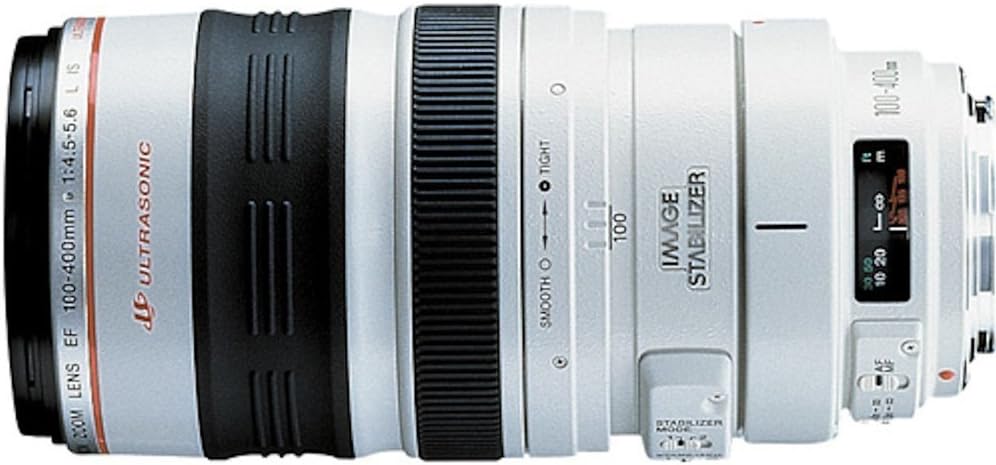
Canon EF 100-400 mm range f/4.5-5.6L IS II USM—The professional calibre.
Affiliate Link: Canon EF 100-400mm f/4.5-5.6L is USM Telephoto Zoom Lens for Canon SLR Cameras
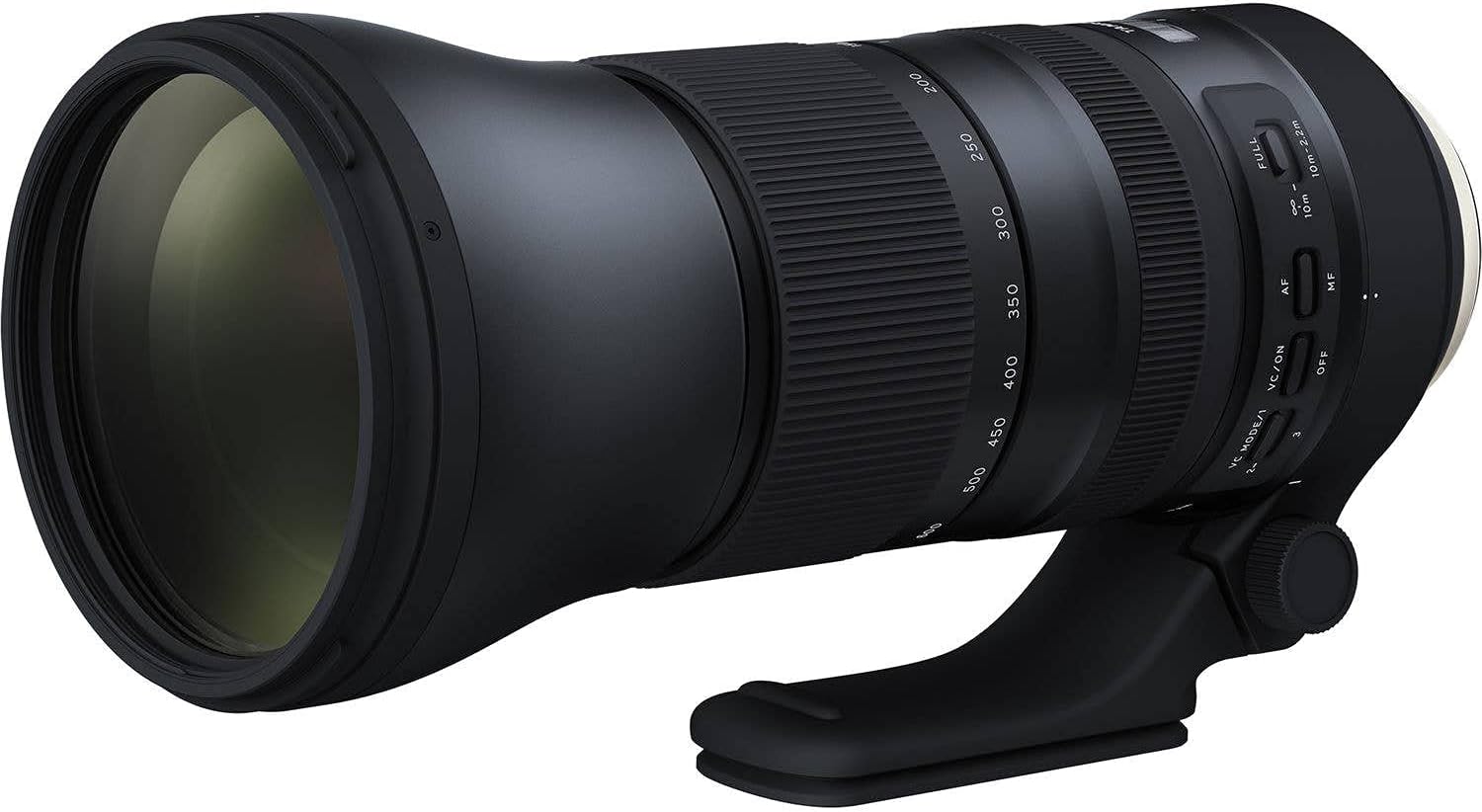
Tamron 150-600mm f/5-6.3 G2—Long reach, cheaper.
Vlogging & YouTube
Look for:
- standard to wide focal length (1035mm)
- Stabilisation of the image and noiseless autofocusing
Affiliate Link: Tamron 150-600mm f/5-6.3 G2
UK Favourites:
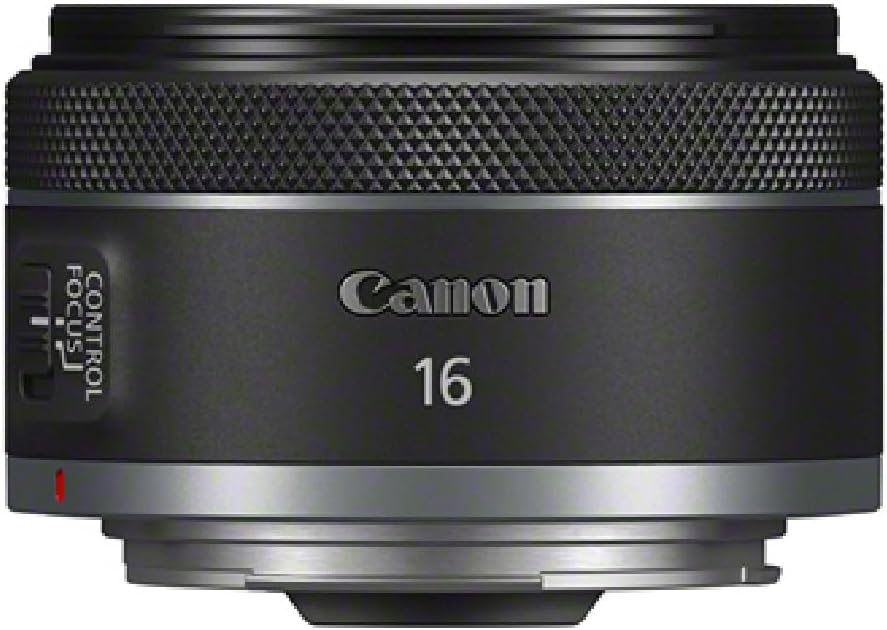
Canon RF 16mm f/2.8 STM—reasonable ultra-wide.
Affiliate Link: Canon RF 16mm
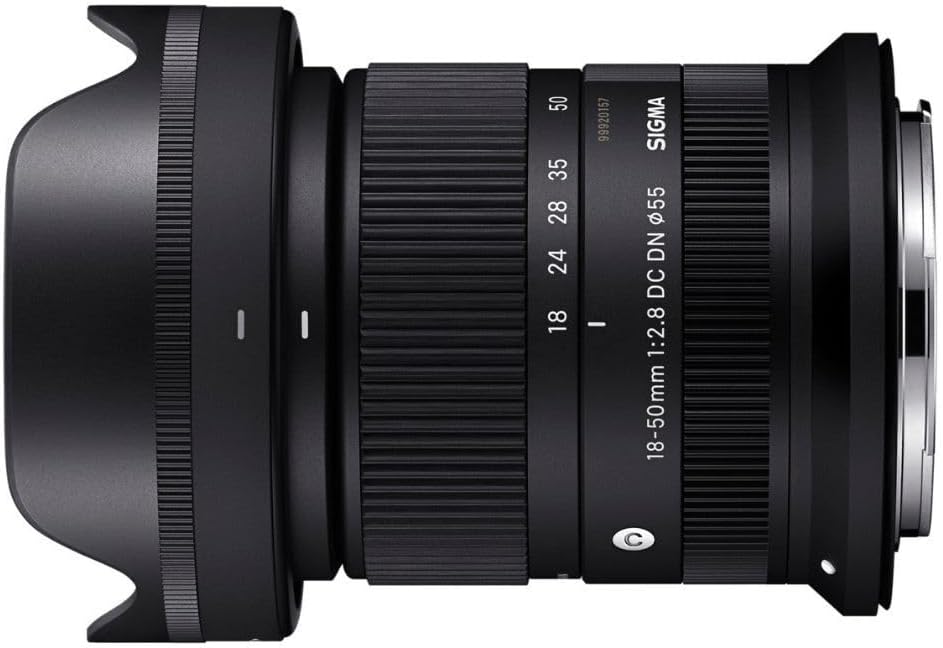
Sigma 18-50mm f/2.8 DC DN—versatile and light.
Macro Photography
Look for:
- Devoted macro lens 1:1 magnification
- Focus of 60-105mm
Best Pick UK:
Canon EF 100mm f/2.8L Macro IS USM—sharp and weather-sealed.
Canon RF 85mm f/2 Macro IS STM—doubles as a portrait lens.
Step 3: Take your Budget into Account
There are a lot of great lenses at any price.
- Below £200—entry-level primes, such as the Canon 50mm f/1.8.
- £200 to £800 —Pro zooms and exotic primes.
- £800+— Serious glass of excellent optics and construction.
Tip: It can be great to buy a single good lens, which can perform better than buying two or three cheaper lenses.
Step 4: Consider Future-Proofing
In case you have something planned to upgrade your camera body in the future, then think about:
- Mount the system in the lenses you will still use.
- Lenses that cover the full frame (even though you are shooting a crop sensor today) to cover the standard changes of tomorrow.
Step 5: Test before buying
Try a local camera shop in the UK or hire a lens. Using it in your hand would help you to get a sense of weight, balance, and feel.
Summary: Choosing the Right Camera Lens
- Compatibility of the lens with the camera should be checked at all times.
- Look at the weight and portable counterparts in case you travel most of the time.
- Where possible, buy one quality lens to support your major shooting approach.
- Check the reviews of online feedback and sample galleries to view their real-life workability.
Conclusion
Understanding how to choose the right camera lens is then the most vital thing that any photographer or videographer should know. Looking for a Canon camera macro lens to get up close and personal, a wide-angle when you travel, or a fast prime portrait lens, you can get what you need to get your work to another level.
Begin by comparing the lens to your own style, budget, and camera compatibility as well, because the right lens is an investment that will last you many years.