
Disclosure: As an Amazon Associate, I earn from qualifying purchases.
Have you ever been impressed by a portrait in which the subject appears clear with the blurred, dreamy backdrop? Then you know bokeh magic. Such soft circles of light, washes of color, and painterly backgrounds are not incidental but a method photographers consciously employ to direct the eye of the viewer and to give an image added resonance.
One of the all-time favourite effects in contemporary photography, whether you are shooting a cinematic video, an impressive Instagram portrait, or striving to design an artistic shot, bokeh is probably the most adorable technique everybody falls in love with. So what is the good news about it? It can be attained with the appropriate techniques regardless of the level of your camera.
This newbie’s guide will dive into all things bokeh, including what bokeh is in photography; some interesting bokeh photography techniques; learning the various bokeh photography styles, like bokeh flower photography, bokeh lights photography, and bokeh film photography; and learning how to easily obtain creamy backgrounds that immediately make your photos more professional-looking.
1. So what is bokeh in photography?
The word “bokeh” (pronounced “boh-keh”) is derived from the Japanese word “boke”, which translates to “haze” or “blur.” In photography, it refers to the appearance of the out-of-focus parts of an image.
It should be pointed out that bokeh is not a mere background blur, suggesting instead the presentation of a blur. Its Bokeh must be smooth, soft, and pretty to see, so it becomes simple to make your subject of interest pop without distraction. Bad bokeh can be harsh, jittery, or jumpy, but without bringing the viewer to focus on the object of interest.
2. The Science Behind Bokeh
The term “bokeh” is used when the image parts of a photograph are not kept in focus because the depth of the field is shallow, i.e., only a part of the image is focused, and the rest blurs. This is guided by:
- Aperture size: The larger the aperture (f/1.2, f/1.4, f/2.8), the shallower the depth of field.
- Lens design: The out-of-focus highlights depend on the configuration and shape of the aperture blades. Knife-edge blades usually bokeh better.
- Focal length: Telephoto lenses (e.g., 85mm, 135mm) will further “compress the background” and will give a blur more impact.
- Distance: The nearer your subject is to the camera and the further it is from the background, the deeper the hump will last.
3. Types of Bokeh Photography
3.1 Creamy Background Bokeh
The old, smooth, ethereal, out-of-focus look you tend to find in portraits. Brought about by a large opening and nice background isolation.
3.2 Bokeh Lights Photography
Famous for metropolitan and jovial shots such as city lights, Christmas decorations, or fairy lights that were converted to twinkly balls.
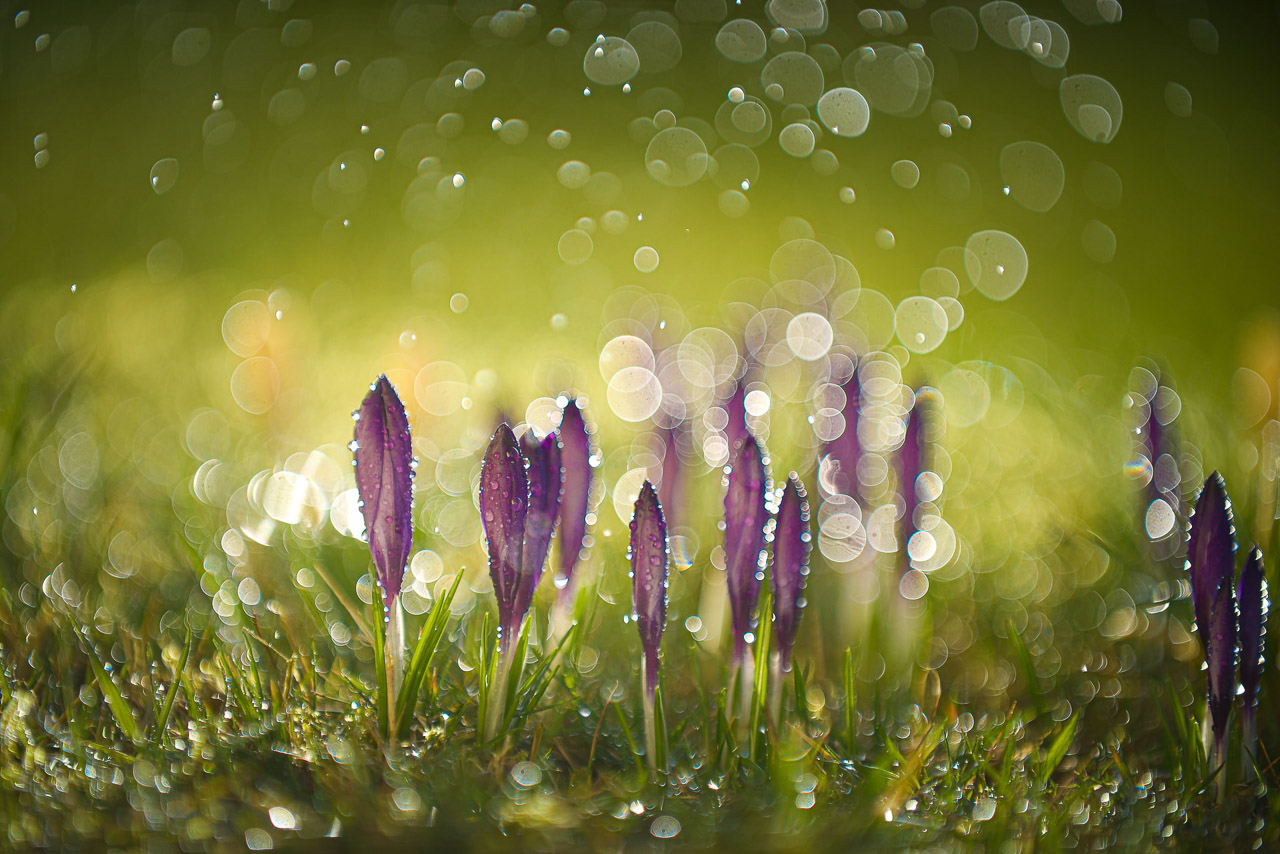
3.3 Bokeh Flower Photography
It uses flowers in the background or foreground as out-of-focus elements, color, and softness.
3.4 Bokeh Film Photography
Even the optical defects and special lens coatings ensure that film cameras and old lenses tend to create interesting bokeh that has a personality.
4. How to Attain Creamy Backgrounds
The formula is the following:
Step 1: Open Your Aperture Wide
Take the fastest f-number your lens will. Lenses such as f/1.8, f/1.4, or f/2.8 are best.
Step 2: Get Near to Your Subject
The nearer you get, the less the depth of the field.
Step 3: Maintain a Distance between the Subject and the Background
The farther apart your subject and the background are, the more it will blur.
Step 4: Pick the Right Lens
- Budget lens: 50 mm f/1.8 (nifty fifty) everything I need is cheap and shoots portraits.
- Pro choice: 85mm f/1.4 it has gorgeous compression and buttery softness.
- Zoom option: 70-200mm f/2.8 professional cream backgrounds even at a distance.
Step 5: Select the Highlights of Backgrounds
Beautiful bokeh shapes will be created by fairy lights, sunrays through leaves, or even a reflective surface.
5. Bokeh Photography Techniques
Bokeh in Portrait
- F/1.8/ f/2.8 aperture
- Eyes as an area of focus
- Make subject as far as possible away from wall or building
Bokeh Lights Photography
- City lights or string lights are in the background
- At night, use a wide opening to shoot
- Expose a little bit underexposed to have richer colors
Bokeh Flower Photography
- Foreground blur can be introduced by putting a flower near the lens
- When you want soft color washes, shoot across at f/2.8 or above.
Bokeh Film Photography
- Take films shot with manual focus using vintage lenses
- Use a variety of film stocks (use warmer colours like Kodak Portra, and cooler colours like Fujifilm Pro 400H)
6. An even better Bokeh-Creating Cameras & Lenses
The Best Camera for Photography Beginners
- Canon EOS Rebel T8i + 50mm lens f/1.8-One of the affordable, easy-to-carry cameras ideally suited to capture portraits with compelling blurred backgrounds.
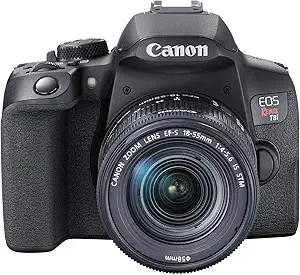
Top Best Camera to Use for Beginner Professional Photography
- Sony a7iii + 85mm f/1.4 GM lens Full-frame image quality and amazing bokeh on stills and video.
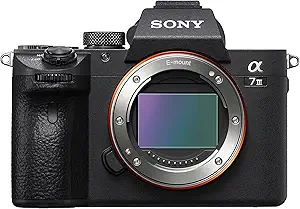
Recommended to Creators & Vloggers
- Nikon Z50 35mm f/1.8-small, sharp, and excellent for blurring out backgrounds in videos.
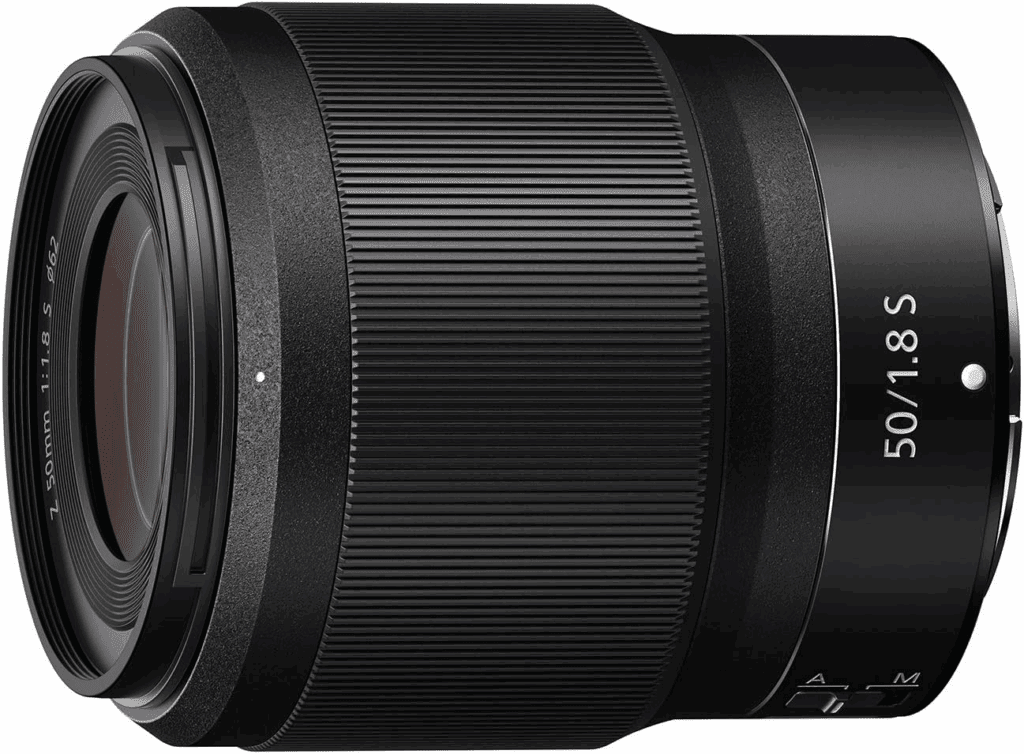
Best for Bokeh Film Photography
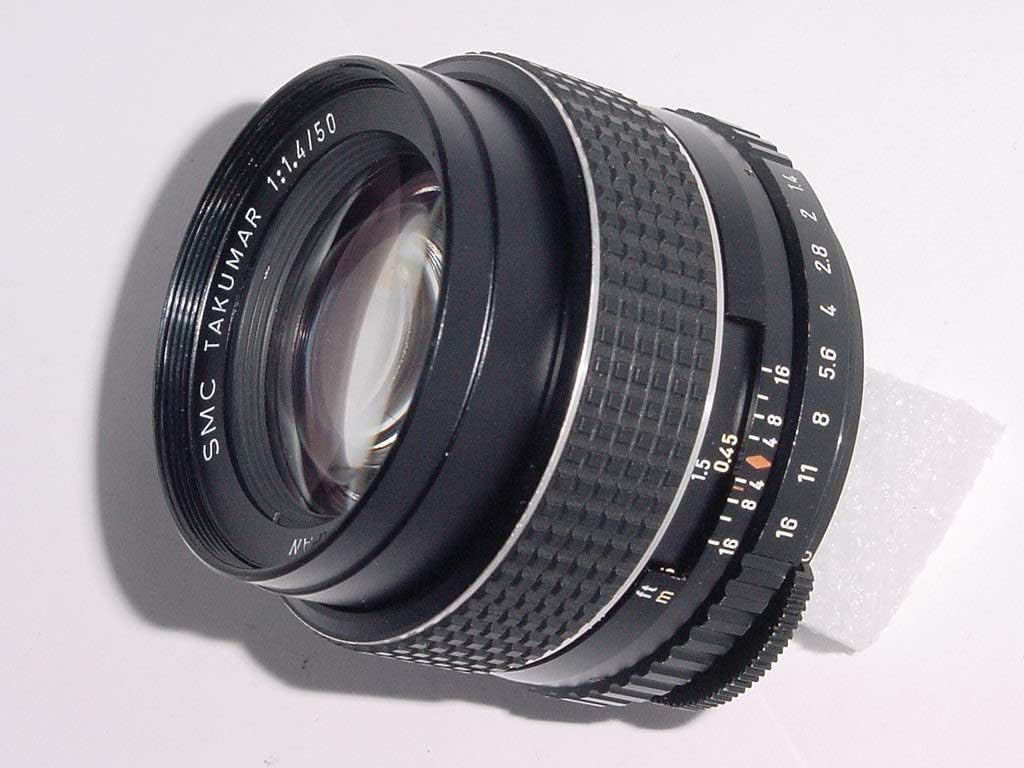
- Pentax Spotmatic + Super Takumar 50mm f/1.4: a legendary vintage bokeh with a personality.
7. Real-World Examples
- Portrait Session: By using sunset as background light, shooting with a Canon EOS Rebel T8i and a 50mm f/1.8 lens, and positioning your model about 10 feet away from the background. Set aperture at f/1.8 and ISO 100, and adjust light so shutter speed is correct—a soft, dreamy background is achieved.
- Bokeh Lights at night: Capture lights on a Sony a7 III at f/1.4 in the city at night, close to your subject. Underexpose a little to get deeper hues and glowing spheres of light.
- Flower Bokeh: Using a Nikon Z50 and 35mm f/1.8, place colorful flowers in the close foreground and bring your subject into focus, ending up with a painting full of painterly blur.
8. Typical Bokeh Photography Errors
- Distracted backgrounds: even the blurred and untidy backgrounds prove distracting.
- Too Much Blur: Severe shallow depth of field can make it difficult to stay sharp with the most important details.
- Ignoring Subject Lighting: Good bokeh can not rescue a poorly lit subject.
- Artificial Blur Over-The-Top Use: Artificial blur simply does not appear natural like in-camera bokeh.
9. Innovative Bokeh Ideas
- Stenciled Bokeh Lights: You can also cut out certain shapes, like hearts or stars, of paper and hold them against your lens, presenting a certain kind of theme to the lights.
- Double Bokeh: make the foreground and background even more out-of-focus than usual to achieve an overly dreamy look.
- Storytelling with Lights: Lights can help hint at a scene like nightlife or any type of celebration or occasion by using bokeh lights.
Conclusion
Bokeh is not merely blur; it means establishing a visual mood that helps to attract attention to the subject and convey artistic flair in photography.
Whether you are playing around with some bokeh lights, embarking on some romantic bokeh flower pictures, experimenting with bokeh film photography, or simply blindly searching to know how to create creamy backgrounds, it all still boils down to aperture, distance, and lens.
The simpler things are, the better one should start; 50mm f/1.8 and an entry-level digital SLR or a mirrorless camera. When you feel comfortable, think about longer focal lengths, old lenses, and tricks and techniques of getting bokeh as part of your photographic signature.
Do you remember: nice bokeh is a combination of technical and imaginary prowess. Learn them both, and your images will simply shine.